January 24, 2025

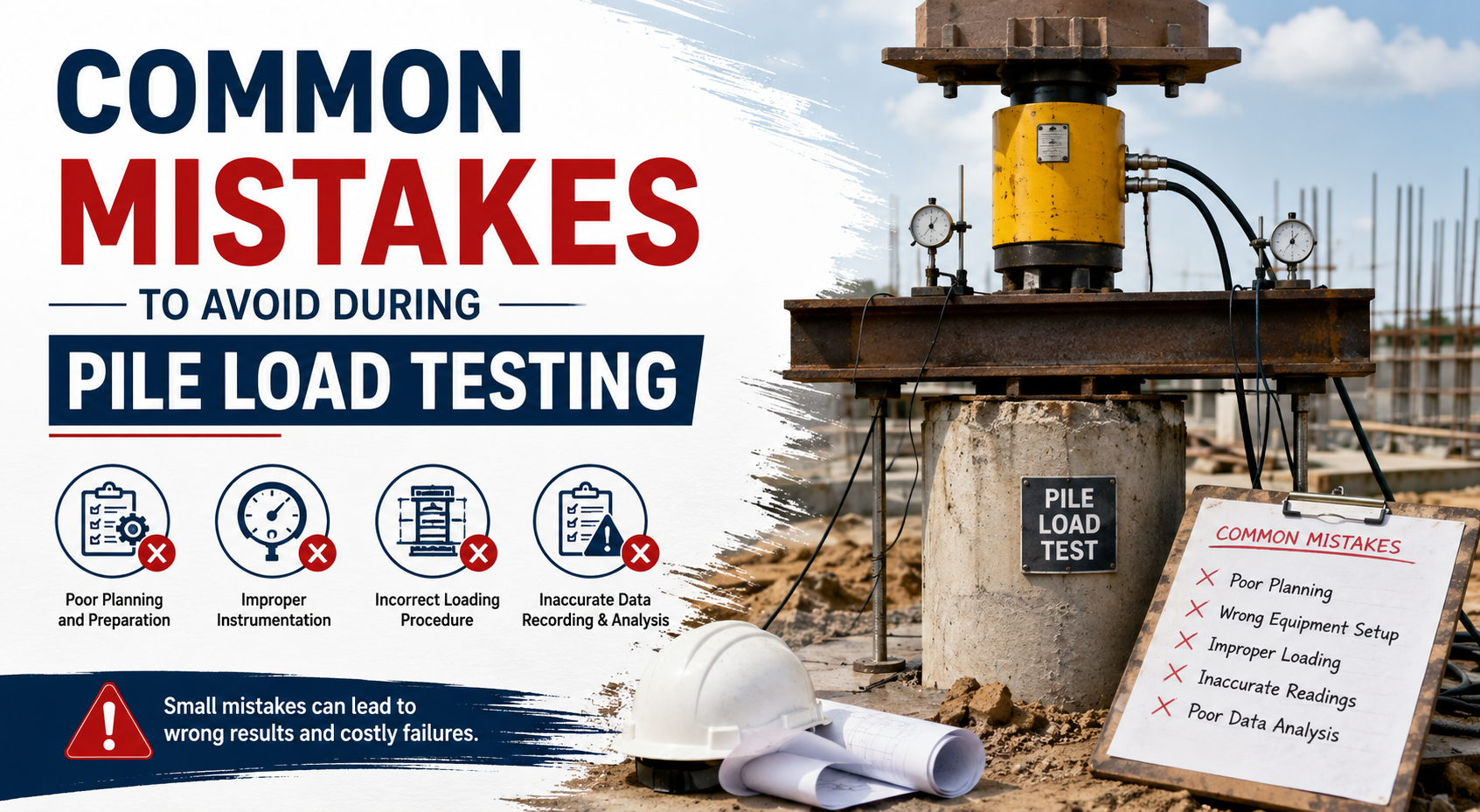
Common Mistakes to Avoid During Pile Load Testing
Pile load testing is one of the most important steps in any construction project. It tells engineers whether the foundation can safely carry the load of the building above it. But even a small mistake during this process can give wrong results, delay the project, or worse, create safety risks later. In this blog, we will look at the most common pile load testing mistakes that happen on site, why they occur, and how you can avoid them.
What is Pile Load Testing?
Before going into the mistakes, let's quickly understand what pile load testing actually means. It is a process used to assess the load-bearing capacity of a pile foundation before construction begins. This testing helps engineers confirm that the design is safe and that the soil can support the structure without failure.
There are two main types of testing used in this process: static pile load test and dynamic pile load testing. Both have their own purpose, equipment, and procedure, and choosing the wrong method for the wrong situation is itself one of the biggest errors contractors make.
Why Pile Load Testing Matters for Construction Safety
Construction foundation safety depends a lot on how well the pile testing is done. If the testing is not accurate, the entire building structure can be at risk. This is why pile foundation testing is not just a formality — it is a critical engineering step that protects lives, money, and time.
Now let's go through the most common mistakes that happen during this process.
1. Skipping or Rushing the Pile Load Test Procedure
One of the biggest mistakes contractors make is not following the correct pile load test procedure. Every step, from pile preparation to load application and data recording, has to be done in a specific order. Skipping steps to save time often leads to inaccurate readings and unreliable results.
A proper procedure includes setting up reaction systems, applying load in stages, recording settlement at each stage, and allowing enough time between load increments. Rushing through any of these steps is a common reason behind testing failure.
2. Using the Wrong Testing Method
As mentioned earlier, choosing between static pile load test and dynamic pile load testing depends on the project requirements, soil type, and pile design. Many contractors use whichever method is cheaper or faster, without checking if it actually suits the project. This is one of the most overlooked common errors in pile load testing.
Static testing is generally more accurate for large or critical structures, while dynamic testing is faster and useful for preliminary checks. Using the wrong method can lead to misleading capacity values.
3. Poor Pile Testing Equipment Calibration
Equipment that is not properly calibrated can give completely wrong readings. Pile testing equipment calibration should be done before every test, and the calibration certificates should always be checked and updated. Many site failures happen simply because load cells, dial gauges, or sensors were not calibrated correctly, leading to false data.
This mistake is easy to avoid but is ignored more often than people think, especially on smaller projects where teams try to cut costs.
4. Ignoring Pile Load Testing Standards
Every region has its own set of guidelines, and in India, the pile load testing standards (IS code) must be strictly followed. These codes define the load increments, holding time, settlement limits, and safety factors that should be used during testing.
Ignoring or partially following these standards is a major reason behind pile load test failure causes. Engineers and site supervisors must always cross-check the testing process against the relevant IS code requirements to avoid compliance and safety issues later.
5. Inaccurate Soil Investigation Before Testing
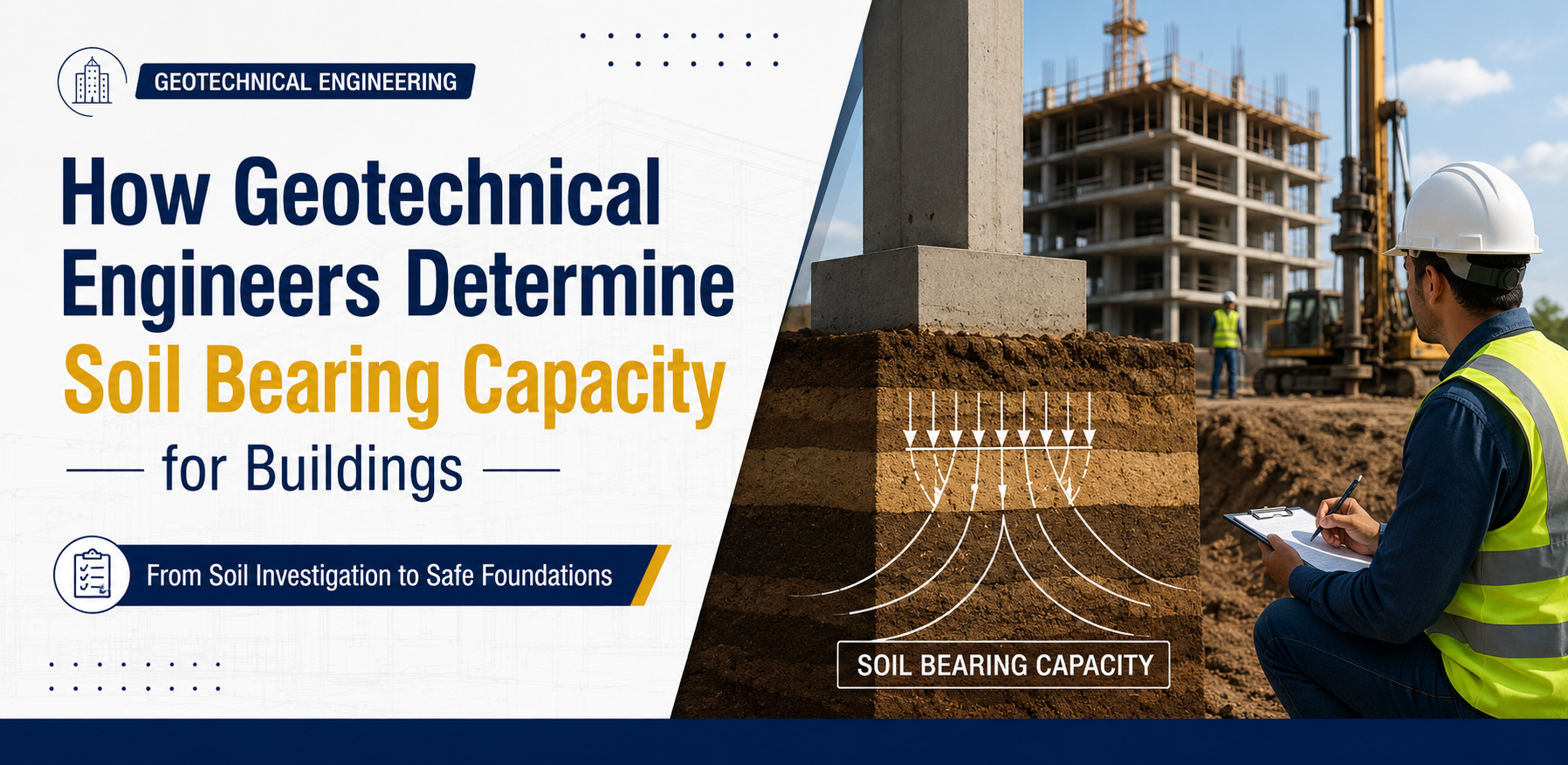
Many testing errors actually start before the test even begins. If the soil bearing capacity test done earlier was inaccurate or incomplete, the entire pile design and testing process can be affected. Poor soil data leads to wrong load assumptions, and the test results may not reflect the real-site conditions.
This is one of the classic geotechnical testing errors that engineers must watch out for. A detailed soil investigation report should always be reviewed before planning the load test.
6. Not Checking Pile Integrity Before Load Testing
Skipping pile integrity testing before going for the main load test is another common mistake. Integrity testing checks for cracks, voids, or defects in the pile structure. If a damaged pile is tested directly for load capacity, the results can be misleading, and there's also a risk of sudden pile failure during the test.
It is always recommended to perform integrity checks first and only proceed to load testing once the pile is confirmed to be structurally sound.
7. Incorrect Reaction System Setup
The reaction system (kentledge or anchor pile system) needs to be designed properly to apply the required load safely. A weak or poorly designed reaction system is a frequent cause behind pile load test failure causes. If the system shifts or fails during testing, it can damage equipment and create safety hazards for the team on site.
8. Not Recording Data at the Right Intervals
Accurate pile capacity testing depends on recording settlement and load values at the correct time intervals. Many teams either record data too quickly or skip readings during the holding period. This results in incomplete data sets, making it hard to plot accurate load-settlement curves later.
9. Lack of Trained Personnel on Site
A lot of mistakes happen simply because the team conducting the test is not properly trained. Pile load testing requires technical knowledge of both the equipment and the procedure. Untrained staff may misread gauges, apply load incorrectly, or misunderstand failure signs, leading to wrong conclusions about the pile's capacity.
10. Not Following Pile Testing Best Practices
Finally, many of the issues mentioned above can be avoided by simply following proper pile testing best practices. This includes regular equipment checks, proper documentation, following IS codes, training site staff, and double-checking soil reports before testing begins.
A well-planned testing process not only saves time and money but also ensures that the building's foundation is truly safe for years to come.
Conclusion
Pile load testing is a critical part of any construction project, and even small mistakes can lead to big problems later. From using the wrong testing method to ignoring proper standards, these common errors in pile load testing are avoidable with proper planning, trained staff, and strict adherence to guidelines.
If you are planning a construction project, always work with experienced professionals who understand the correct pile load test procedure and follow all safety standards. This will help you avoid costly mistakes and ensure long-term construction foundation safety for your project.
Popular post

February 08, 2025
Pile Load Testing: Importance, Methods, and Benefits

February 11, 2025
Piling Work Service: The Key to Strong and Stable Foundations

February 18, 2025
What Are Geotechnical Services? A Complete Guide


February 22, 2025
What is a Road Safety Audit & Why is it Important?








April 16, 2025
Types of Material Testing: A Complete Guide for Beginners





February 07, 2026
Top 10 Geotechnical Problems in Construction and Their Solutions

March 31, 2026
Top 5 Pile Load Testing Methods Used in Modern Construction



Need help? Call us Today at+91 7665235528
for inquiries and support. We’re here to assist you.