January 24, 2025

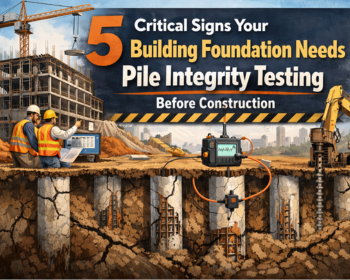
5 Critical Signs Your Building Foundation Needs Pile Integrity Testing Before Construction
Foundation integrity is the cornerstone of any successful construction project. Whether you're planning a commercial building, residential complex, or infrastructure development, ensuring your pile foundation inspection is thorough can save millions in potential structural failures. In this comprehensive guide, we'll explore the critical warning signs that indicate your project needs pile integrity testing before breaking ground. Understanding pile foundation quality control isn't just about compliance—it's about protecting your investment, ensuring worker safety, and guaranteeing long-term structural stability. Modern construction projects face increasing complexity, and the foundation literally supports everything above it. The construction industry has witnessed numerous high-profile foundation failures that could have been prevented with proper testing. From tilting buildings to catastrophic collapses, the consequences of inadequate foundation integrity assessment can be devastating. That's why experienced engineers and contractors prioritize comprehensive pile testing methods from the earliest planning stages. Let's dive into the five key indicators that demand immediate attention and thorough pile foundation inspection before you commit to breaking ground on your project.
1. Inconsistent Soil Conditions Across the Site
One of the most critical signs requiring building foundation testing is variable soil composition. When geological surveys reveal inconsistent soil layers, varying moisture content, or unexpected voids beneath the surface, it's time for comprehensive pile testing methods.
Pre-construction foundation check procedures become essential when dealing with:
Clay deposits mixed with sandy soil, which can lead to differential settling; High water tables that affect pile stability; Rocky substrata that may cause installation complications; Fill material on previously developed land.
Professional pile load testing services can identify these variations early, allowing engineers to adjust pile designs accordingly. This proactive approach to foundation stability testing prevents costly mid-construction surprises and ensures uniform load distribution across your structure.
2. Heavy Structural Loads or Multi-Story Development
When planning structures that exceed three stories or involve significant concentrated loads, foundation problems before construction must be identified and addressed. High-rise buildings, bridges, and industrial facilities place enormous stress on pile foundations, making NDT foundation testing (Non-Destructive Testing) absolutely critical.
Construction foundation safety protocols demand rigorous testing when:
Designing buildings over 10 stories tall; Installing heavy machinery or equipment; Creating structures with unusual load patterns; Working with long-span architectural designs.
Concrete pile testing through integrity assessment methods like sonic echo, cross-hole sonic logging, or thermal integrity profiling can verify that each pile meets load-bearing specifications. This is where pile integrity test cost becomes a wise investment—spending on testing now prevents catastrophic failures later.
3. Previous Construction or Environmental Concerns on Site
Sites with historical construction activities, environmental contamination, or previous structural failures require meticulous foundation defects detection. Before any new development begins, a comprehensive foundation integrity assessment must verify that existing conditions won't compromise new pile installations.
Red flags that necessitate immediate pile foundation inspection include:
Demolished buildings with remaining foundations; Underground utilities or abandoned infrastructure; Contaminated soil requiring remediation; Previous landslides or soil movement; Proximity to water bodies or flood zones.
Professional pile testing methods like cross-hole sonic logging can detect voids, cracks, or inconsistencies in newly installed piles that might result from challenging site conditions. Modern foundation defects detection technology has advanced significantly, allowing engineers to identify potential problems that would have gone unnoticed decades ago.
Environmental assessments combined with pile integrity testing create a comprehensive picture of subsurface conditions. This dual approach to construction foundation safety ensures that both chemical and structural integrity concerns are addressed before significant capital investment occurs. The integration of geological surveys with advanced NDT foundation testing provides the most reliable foundation analysis available today.
4. Seismic Activity or Adverse Weather History
Regions prone to earthquakes, hurricanes, or extreme weather events demand enhanced building foundation testing protocols. The dynamic forces these natural phenomena generate require foundations that can withstand not just vertical loads but also lateral forces and cyclic loading.
Foundation stability testing becomes non-negotiable when your site is located in:
Seismic zones requiring special building codes; Coastal areas subject to hurricanes or typhoons; Regions with extreme temperature variations; Areas with monsoon or flooding patterns.
Advanced NDT foundation testing techniques verify that pile installations meet rigorous engineering standards. Pile integrity testing ensures each foundation element can perform under worst-case scenarios, protecting both the structure and its occupants.
5. Regulatory Requirements or Insurance Mandates
Modern building codes and insurance policies increasingly mandate comprehensive pile foundation quality control documentation. Many jurisdictions now require certified pile load testing services before issuing construction permits, particularly for critical infrastructure projects.
You'll definitely need a pre-construction foundation check if:
Local authorities require third-party verification; Insurance companies demand testing for coverage; Project involves public infrastructure; International building standards apply; Lenders require testing for project financing.
While pile integrity test cost might seem like an additional expense, it's often a requirement rather than an option. Moreover, comprehensive testing provides documentation that protects contractors, developers, and property owners from future liability claims related to foundation problems before construction.
The Bottom Line: Prevention Over Remediation
Recognizing these five critical signs and responding with appropriate foundation integrity assessment saves both money and headaches in the long run. Professional concrete pile testing using modern pile testing methods provides the certainty every construction project needs.
Whether you're concerned about foundation defects detection or simply want to ensure construction foundation safety, investing in comprehensive pile foundation inspection before breaking ground is the smart choice. Advanced pile load testing services and NDT foundation testing techniques have made it easier than ever to verify foundation quality with minimal disruption to project timelines.
Remember: the pile integrity test cost is negligible compared to the expense of foundation failures during or after construction. By prioritizing building foundation testing and implementing rigorous pile foundation quality control measures, you're not just meeting regulatory requirements—you're ensuring the safety, longevity, and success of your entire construction project.
Popular post

February 08, 2025
Pile Load Testing: Importance, Methods, and Benefits

February 11, 2025
Piling Work Service: The Key to Strong and Stable Foundations

February 18, 2025
What Are Geotechnical Services? A Complete Guide


February 22, 2025
What is a Road Safety Audit & Why is it Important?







April 16, 2025
Types of Material Testing: A Complete Guide for Beginners



February 07, 2026
Top 10 Geotechnical Problems in Construction and Their Solutions

March 31, 2026
Top 5 Pile Load Testing Methods Used in Modern Construction


June 30, 2026
Common Mistakes to Avoid During Pile Load Testing

Need help? Call us Today at+91 7665235528
for inquiries and support. We’re here to assist you.