January 24, 2025

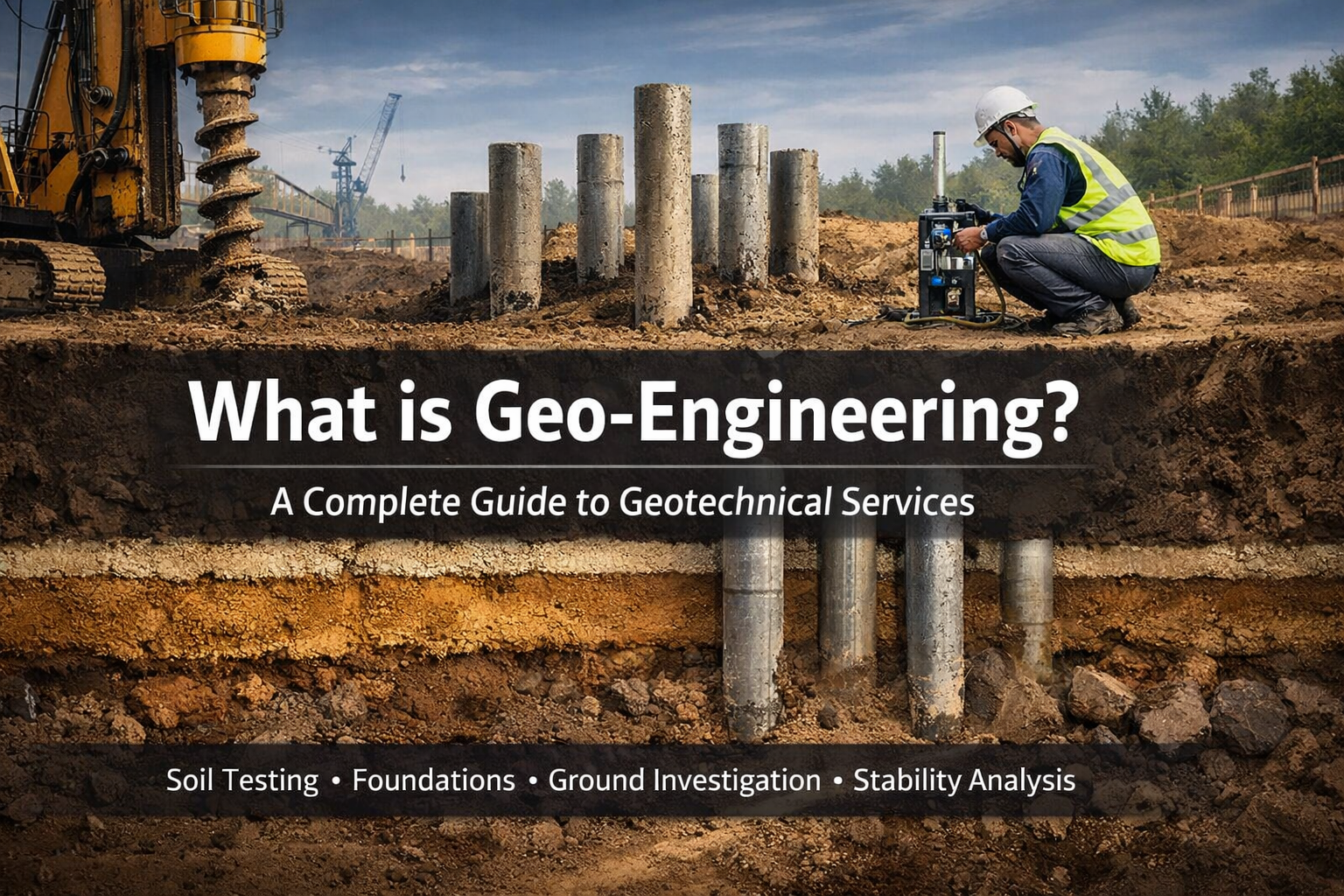
What is Geo-Engineering? A Complete Guide to Geotechnical Services
Every building, bridge, and road stands on one critical foundation: the ground beneath it. Yet, many construction failures happen not because of poor design or materials, but because the soil wasn't properly understood. This is where geo-engineering services become essential. Whether you're planning a residential project or a massive infrastructure development, understanding what is geotechnical engineering and why it matters can save millions and prevent disasters.
In this comprehensive guide, we'll explore geotechnical services, soil investigation techniques, and why professional geotechnical consulting is non-negotiable for modern construction.
What is Geotechnical Engineering?
Geotechnical engineering is a specialized branch of civil engineering that focuses on the behavior of earth materials like soil, rock, and groundwater. It answers critical questions: Will this soil support a 20-story building? How deep should foundations go? What happens during earthquakes or heavy rains?
Geotechnical Engineering Basics
At its core, geotechnical engineering basics involve understanding how soil and rock interact with structures. Engineers study soil composition, strength, compressibility, and permeability to predict how ground conditions will affect construction.
The three key elements in geotechnical analysis are:
Soil: Different soil types (clay, sand, silt) have vastly different load-bearing capacities and drainage properties.
Rock: Bedrock provides excellent foundation support, but its depth and condition vary by location.
Groundwater: Water levels affect soil stability, can cause settlement, and influence foundation design significantly.
Understanding these factors through proper geotechnical site investigation prevents costly surprises during and after construction.
What Are Geo-Engineering Services?
Geo-engineering services encompass all activities related to evaluating and managing ground conditions for construction projects. These services form the backbone of safe, efficient, and economical building practices.
Overview of Geotechnical Services
Professional geotechnical services typically include site investigation, laboratory testing, foundation design recommendations, slope stability analysis, and construction monitoring. Each service addresses specific risks and requirements of your project.
Importance of Geotechnical Consulting in Construction Projects
Geotechnical consulting provides expert guidance throughout the construction lifecycle. Consultants analyze site data, recommend appropriate foundation types, identify potential hazards like landslides or soil liquefaction, and ensure compliance with building codes. Their expertise turns complex soil data into actionable engineering solutions.
Geotechnical Investigation Services
Before breaking ground on any project, a thorough geotechnical investigation is essential. This process reveals what lies beneath the surface and informs every subsequent design decision.
Understanding Geotechnical Site Investigation
A geotechnical site investigation is a systematic process of exploring subsurface conditions. It involves drilling boreholes, collecting soil samples, conducting field tests, and analyzing laboratory results. The investigation produces detailed reports showing soil layers, groundwater levels, and engineering properties.
Importance of Site Assessment Before Construction
Skipping proper site assessment is like building blindfolded. Without geotechnical investigation services, you risk foundation failures, unexpected costs, project delays, and even structural collapse. A comprehensive assessment identifies problems early when they're still manageable and affordable to address.
Soil Investigation and Soil Testing for Construction
Soil investigation services form the practical core of geotechnical work. These services determine whether your site can safely support the planned structure.
What Are Soil Investigation Services?
Soil investigation services involve physically exploring the site through drilling, excavation, and sampling. Engineers collect undisturbed soil samples from various depths to understand the complete soil profile beneath your project area.
Types of Soil Testing for Construction and Why They Matter
Several critical tests reveal soil properties:
Standard Penetration Test (SPT): Measures soil resistance and density, helping determine bearing capacity.
Plate Load Test: Directly measures how much load soil can support before failing.
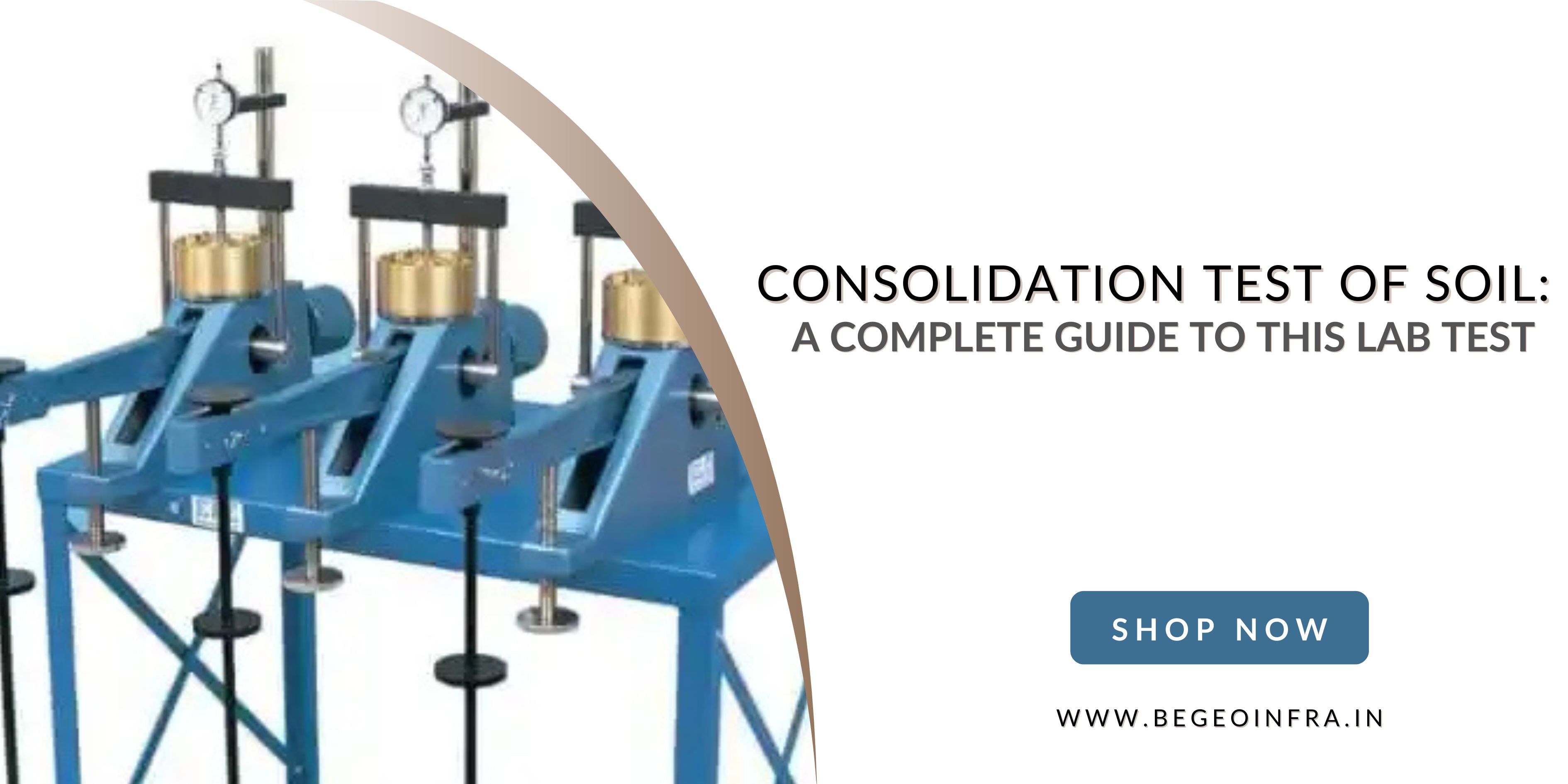
Consolidation Test: Predicts how much structures will settle over time.
Shear Strength Test: Determines soil stability and resistance to sliding or deformation.
Permeability Test: Measures water drainage through soil, crucial for foundation waterproofing.
Each soil testing for construction method provides specific data that engineers use to design safe, cost-effective foundations.
Ground Investigation Techniques
Modern ground investigation techniques combine field work with laboratory analysis to create a complete picture of subsurface conditions.
Common Ground Investigation Methods
Borehole Drilling: Rotary or percussion drilling creates holes to access deep soil layers and bedrock. Drilling reveals the complete soil stratigraphy.
Sampling: Engineers collect disturbed and undisturbed samples using specialized equipment. Undisturbed samples preserve natural soil structure for accurate testing.
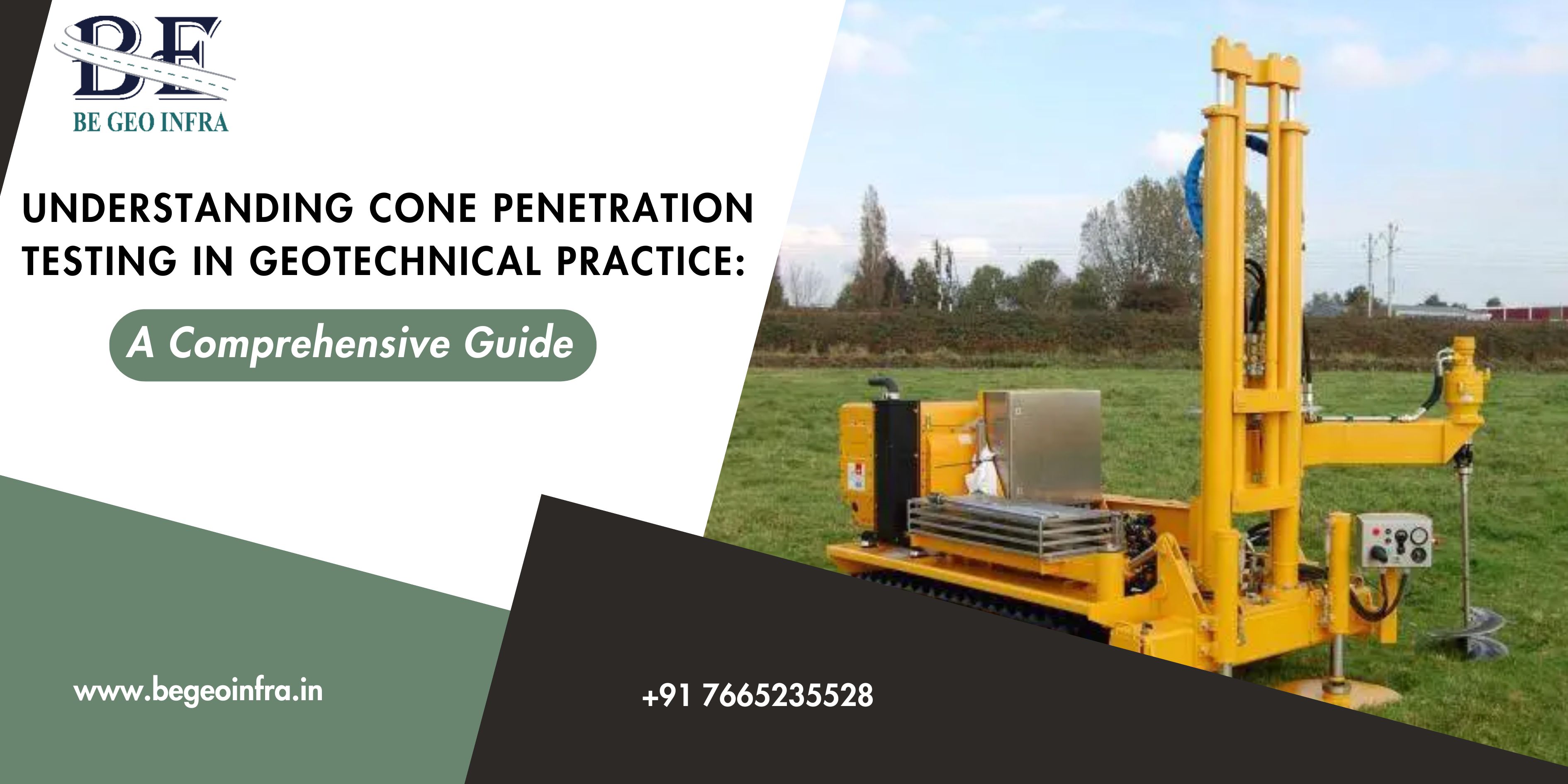
In-Situ Testing: Field tests like SPT, Cone Penetration Test (CPT), and vane shear tests provide immediate data about soil properties.
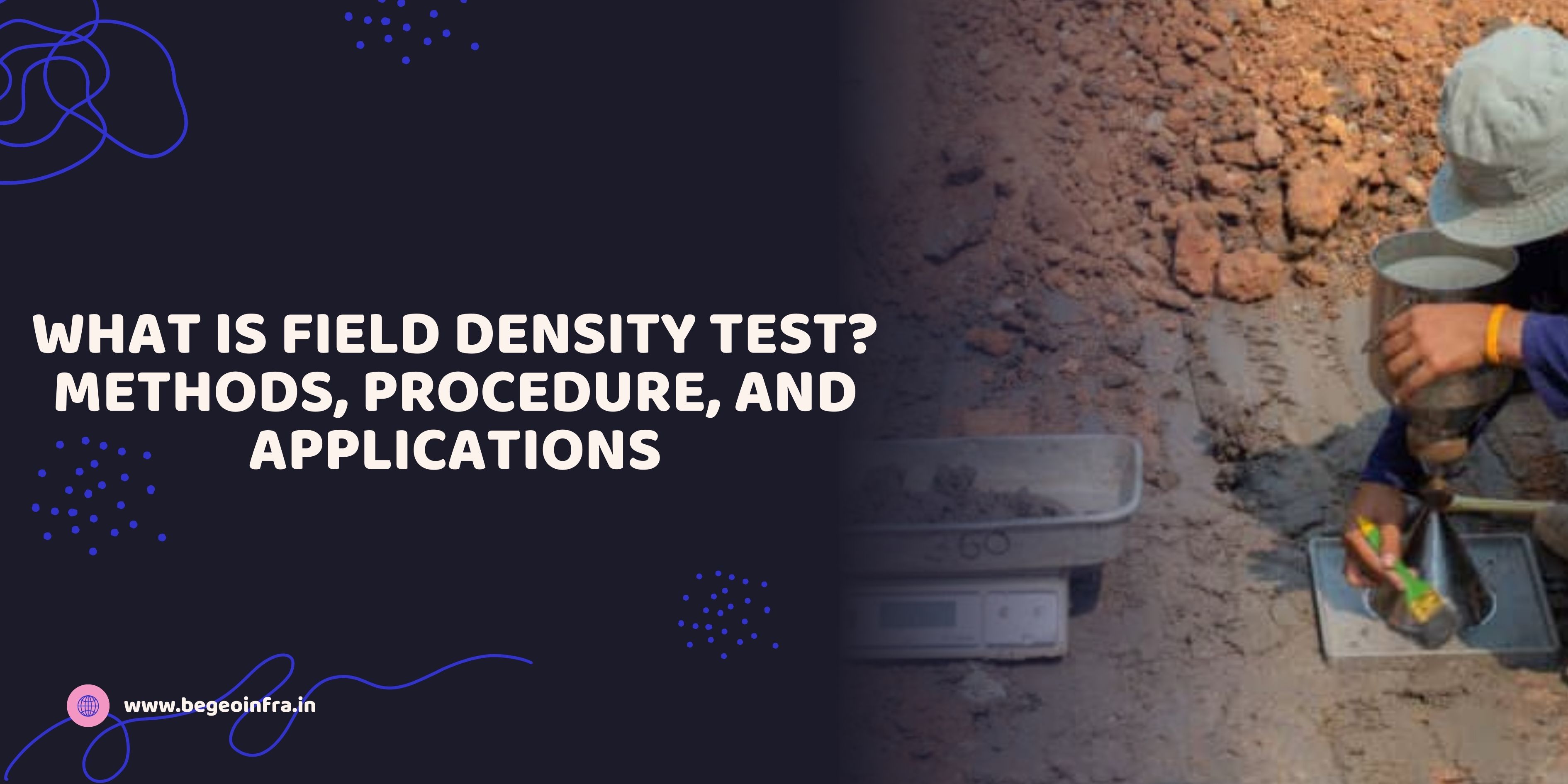
Laboratory Testing: Samples undergo detailed analysis for moisture content, grain size distribution, Atterberg limits, compaction characteristics, and strength parameters.
Geophysical Surveys: Non-invasive techniques like seismic refraction or ground-penetrating radar map subsurface features quickly and economically.
These ground investigation techniques work together, with field tests validating lab results and vice versa, ensuring reliable data for design.
Foundation Engineering Services
Once soil data is collected, foundation engineering services translate that information into practical foundation designs that ensure building safety and longevity.
Role of Soil Data in Foundation Design
Soil properties directly determine foundation type and depth. Weak soils may require deep pile foundations reaching stable layers, while competent soils allow shallow foundations. Engineers use soil bearing capacity, settlement predictions, and groundwater data to optimize foundation design.
Importance of Foundation Engineering Services for Building Safety
Professional foundation engineering services prevent catastrophic failures. They ensure foundations can handle building loads plus environmental factors like earthquakes, floods, and soil expansion. Proper foundation design also prevents issues like differential settlement, where parts of a building sink unevenly, causing cracks and structural damage.
Foundation engineering isn't just about safety—it's about cost optimization too. Over-designed foundations waste money, while under-designed ones risk failure. Expert services find the sweet spot.
Benefits of Professional Geotechnical Consulting
Investing in professional geotechnical consulting delivers multiple benefits that far outweigh the initial cost.
Risk Reduction
Geotechnical consultants identify and mitigate risks before they become problems. They spot potential landslides, soil liquefaction zones, expansive clays, or weak bearing strata that could endanger your project. Early risk identification allows for design modifications or site treatment before construction begins.
Cost Efficiency
While geotechnical services require upfront investment, they prevent expensive surprises. Discovering poor soil during construction leads to project delays, redesigns, and emergency remediation—all far more expensive than proper initial investigation. Accurate soil data also prevents over-engineering, reducing unnecessary foundation costs.
Long-Term Structural Stability
Buildings designed with comprehensive geotechnical data perform better throughout their lifespan. They experience minimal settlement, resist environmental stresses, and require less maintenance. This long-term stability protects your investment and ensures occupant safety for decades.
Conclusion
Understanding what is geotechnical engineering and utilizing professional geo-engineering services isn't optional in modern construction—it's essential. From initial geotechnical site investigation through soil investigation services and ground investigation techniques to final foundation engineering services, each step builds toward a safer, more economical project.
The ground beneath your structure holds all the answers to successful construction. Professional geotechnical consulting unlocks those answers through systematic soil testing for construction and expert analysis. Whether you're building a home, commercial complex, or infrastructure project, choosing reliable geotechnical investigation services ensures your structure stands strong on solid ground—literally and figuratively.
Don't leave your project's success to chance. Invest in comprehensive geotechnical services and build with confidence, knowing your foundation is designed for the actual conditions beneath your site, not assumptions or guesswork.
Popular post
February 08, 2025
Pile Load Testing: Importance, Methods, and Benefits

February 11, 2025
Piling Work Service: The Key to Strong and Stable Foundations
February 18, 2025
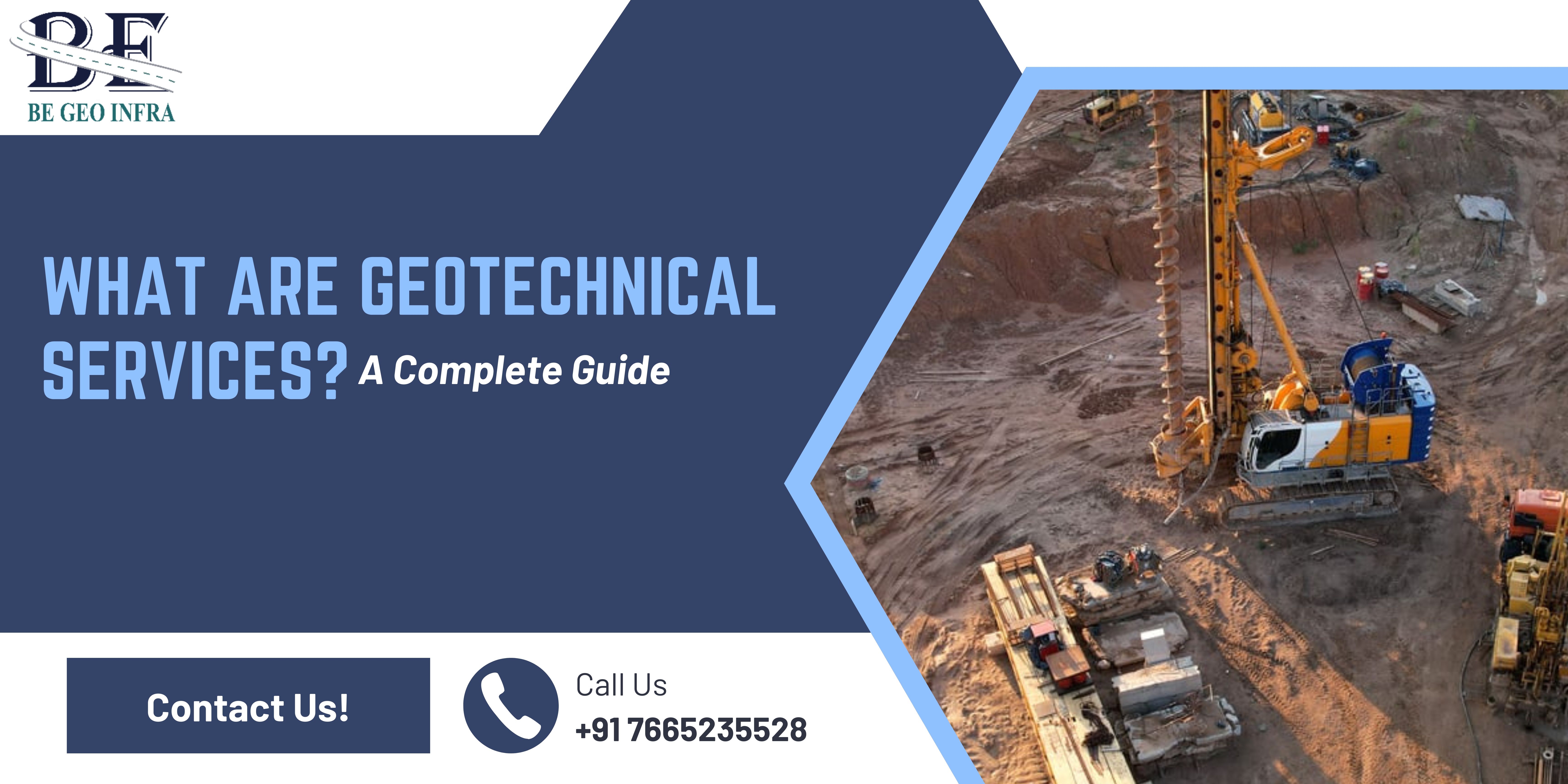
What Are Geotechnical Services? A Complete Guide
February 22, 2025
What is a Road Safety Audit & Why is it Important?




April 16, 2025
Types of Material Testing: A Complete Guide for Beginners

Need help? Call us Today at+91 7665235528
for inquiries and support. We’re here to assist you.